Views: 0 Author: Site Editor Publish Time: 2025-07-01 Origin: Site
A high pressure ball valve is a critical component used in various industries that require the control of fluids, gases, and other materials under high-pressure conditions. These valves are designed to regulate, control, and isolate the flow of substances in piping systems, ensuring smooth operations, safety, and reliability. Whether you're working in the chemical, oil and gas, power generation, or manufacturing industries, understanding the importance of high-pressure ball valves can significantly enhance your operations and decision-making processes.
In this B2B guide, we will explore the essential aspects of high pressure ball valves, including their design, working principles, applications, benefits, and the key factors to consider when selecting them for industrial use. We'll also compare them with other types of valves commonly used in high-pressure systems to help you understand their advantages and limitations.
A high pressure ball valve is a specialized type of valve that uses a ball-shaped mechanism to control the flow of fluids or gases in high-pressure systems. These valves are characterized by their robust construction, which allows them to withstand the stresses and forces associated with high-pressure environments. The ball inside the valve has a hole through the center, which can be rotated to either allow or block the flow of the medium passing through the valve.
When the valve is open, the hole in the ball aligns with the flow path, permitting the passage of the medium. When closed, the ball rotates to block the flow, creating a secure seal. High pressure ball valves are designed for use in systems that operate at pressures typically greater than 1000 PSI (pounds per square inch), and they can handle both high-flow and high-pressure applications.
Durability: High pressure ball valves are built to handle extreme conditions, making them highly durable and reliable in demanding applications.
Leak-proof Sealing: These valves are designed to provide a tight seal to prevent leaks, which is crucial in high-pressure systems.
Easy Operation: The quarter-turn operation of the valve allows for quick and simple opening or closing of the flow path.
Precision Control: High pressure ball valves can offer precise flow control, ensuring smooth and safe operations even under extreme conditions.
Materials: They are often made from strong, corrosion-resistant materials such as stainless steel, carbon steel, or special alloys, which help them withstand harsh environments.
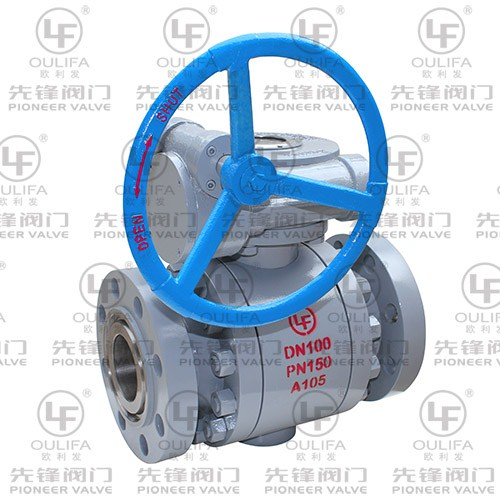
The working principle of a high pressure ball valve is simple yet effective. At the core of the valve is a spherical ball with a hole drilled through its center. The valve is operated by rotating the ball to allow or block the flow of the medium.
Body: The body is the outer casing of the valve that houses the internal components. It is typically made of durable materials like stainless steel or carbon steel to withstand high-pressure conditions.
Ball: The ball is the key moving part of the valve. It is typically made of high-strength materials to ensure that it can withstand the pressure and harsh conditions of the pipeline.
Stem: The stem is the shaft that connects the ball to the handle or actuator, allowing the valve to be opened or closed.
Seats: Seats are the sealing components that sit between the ball and the valve body. They are typically made of materials like PTFE or metal to ensure a tight seal.
Handle or Actuator: The handle or actuator is used to rotate the ball. In manual valves, the handle is operated by hand, while in automated systems, actuators can be used for remote operation.
Opening: When the valve handle is turned, the ball rotates so that the hole inside the ball aligns with the flow path, allowing fluid or gas to pass through the valve.
Closing: When the valve handle is turned in the opposite direction, the ball rotates 90 degrees to block the flow path, preventing any further passage of fluid or gas.
Sealing: The seats around the ball ensure that when the valve is closed, it provides a tight seal, preventing any leakage from occurring.
High pressure ball valves are used in a wide variety of applications across many different industries. Their ability to handle high pressures, durability, and precise flow control makes them an ideal choice for critical systems. Below are some of the key industries where high-pressure ball valves are commonly used:
In the oil and gas industry, high pressure ball valves are essential for controlling the flow of hydrocarbons, natural gas, and other materials in pipelines. They are used in both upstream (exploration and production) and downstream (refining and transportation) operations, ensuring that materials are safely and efficiently transported through high-pressure systems.
The chemical processing industry relies on high pressure ball valves to control the flow of corrosive chemicals and high-pressure gases. These valves are built to withstand the aggressive nature of the chemicals they handle, ensuring safety and reliability in chemical reactors, storage tanks, and pipelines.
In power plants, high pressure ball valves play a crucial role in regulating the flow of steam, water, and other fluids used in generating electricity. These valves are used in high-pressure steam lines, boiler systems, and turbine control systems, where maintaining optimal pressure is critical for efficiency and safety.
In pharmaceutical manufacturing, high pressure ball valves are used in the production of medicines and other healthcare products. These valves help control the flow of gases and liquids under high pressure, ensuring precise measurements and maintaining sterile environments during the manufacturing process.
High pressure ball valves are commonly used in water treatment plants to control the flow of water through filtration and disinfection systems. Their ability to handle high-pressure conditions makes them essential for systems that treat large volumes of water.
In the food and beverage industry, high pressure ball valves are used to control the flow of liquids, gases, and powders in manufacturing processes. They ensure the safe transport of materials under high pressure, and some models are designed to meet stringent sanitary standards.
The primary advantages of high pressure ball valves lie in their design, which enables them to handle extreme pressures while providing reliable performance. Some of the key benefits include:
High pressure ball valves are made from strong, durable materials that can withstand extreme pressure, temperature, and corrosive environments. This makes them ideal for use in harsh industrial conditions.
The design of the ball valve, along with its strong seals, ensures that there is minimal risk of leakage, even under high-pressure conditions. This is crucial in industries where leaks can lead to significant safety risks or product loss.
The quarter-turn operation of a high pressure ball valve allows for quick and efficient opening or closing of the valve. This fast operation is essential in systems where rapid adjustments to flow are necessary.
High pressure ball valves can be used in a wide range of applications across multiple industries. Whether it's controlling the flow of steam in a power plant or regulating the flow of chemicals in a processing facility, these valves offer flexibility in design and function.
Due to their simple design and durable materials, high pressure ball valves require minimal maintenance. With proper installation and usage, these valves can provide reliable service for many years, reducing downtime and maintenance costs for operators.
High pressure ball valves offer excellent control over the flow of materials, enabling operators to adjust the flow rate as needed for specific processes. This is especially important in industries where precise control over the material flow is required.
To better understand the advantages of high pressure ball valves, it’s helpful to compare them with other types of valves used in high-pressure systems, such as gate valves, globe valves, and butterfly valves.
| Valve Type | Advantages | Disadvantages |
|---|---|---|
| High Pressure Ball Valve | - Durable and leak-proof - Fast operation - Excellent flow control | - Not suitable for throttling applications |
| Gate Valve | - Low pressure drop - Excellent for on/off control | - Slower operation - Less precise flow control |
| Globe Valve | - Precise flow control - Suitable for throttling | - High pressure drop - Larger size |
| Butterfly Valve | - Lightweight - Quick operation | - Less durable under high pressure - Higher maintenance |
As the table shows, high pressure ball valves excel in durability, reliability, and fast operation, making them the preferred choice in many high-pressure applications.
High pressure ball valves are indispensable in a variety of industries that require the regulation and control of fluids and gases under high-pressure conditions. With their durable construction, leak-proof sealing, and precise flow control, these valves ensure the safe and efficient operation of critical systems. Whether you’re working in chemical processing, oil and gas, power generation, or other industries, high pressure ball valves offer the performance and reliability needed to maintain system integrity and optimize operational efficiency.
At Wenzhou Pioneer Valve, we specialize in manufacturing high-quality high pressure ball valves designed to meet the rigorous demands of modern industries. With over 30 years of experience, we provide durable, high-performance valves that help ensure safety and efficiency in high-pressure systems across a range of sectors.
High pressure ball valves are used in industries such as oil and gas, chemical processing, power generation, pharmaceuticals, water treatment, and food and beverage manufacturing.
High pressure ball valves offer excellent durability, fast operation, and leak-proof sealing, making them ideal for controlling flow in high-pressure systems.
High pressure ball valves require minimal maintenance. Regular inspection, cleaning, and ensuring proper sealing are the primary tasks needed to keep the valve functioning efficiently.